Costa Rica is one of the world’s premier birdwatching destinations, attracting bird enthusiasts, photographers, and nature lovers from every corner of the globe. Despite covering only 0.03% of the Earth’s landmass, this small Central American country is home to more than 900 bird species, representing nearly 10% of all known bird species worldwide. From colorful toucans and scarlet macaws to elusive quetzals and tiny hummingbirds, birdwatching in Costa Rica offers unforgettable experiences for visitors of all skill levels.
Costa Rica’s incredible biodiversity is the result of its unique geographic location between North and South America, combined with its varied climates and elevations. Visitors can explore tropical rainforests, cloud forests, dry forests, wetlands, mangroves, and coastal ecosystems, each supporting different bird populations.
More than 25% of the country is protected through national parks, wildlife refuges, and private reserves, making it one of the best places in the world to observe birds in their natural habitats.
Whether you’re an experienced birder with a life list or simply enjoy watching wildlife during your vacation, Costa Rica offers exceptional opportunities year-round.
Perhaps Costa Rica’s most famous bird, the Resplendent Quetzal is known for its brilliant emerald-green feathers and long flowing tail. It inhabits the cool cloud forests of Monteverde, San Gerardo de Dota, and the Talamanca Mountains.
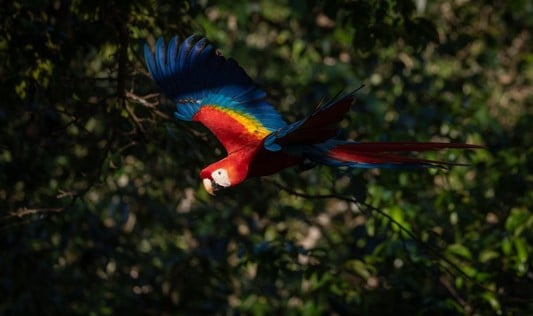
These striking red parrots with blue and yellow wings can often be seen flying in pairs along the Pacific coast, particularly in Carara National Park and the Osa Peninsula.
Recognizable by its vibrant rainbow-colored bill, this tropical bird is one of Costa Rica’s most photographed species and can be found in rainforest regions throughout the country.
Costa Rica is home to more than 50 species of hummingbirds. Their dazzling colors and incredible flight abilities make them favorites among photographers and birdwatchers.
The country’s forests are also filled with brilliantly colored tanagers, elegant trogons, and the distinctive blue-crowned motmot, famous for its racket-shaped tail.

Web Design and Concept by CORAL