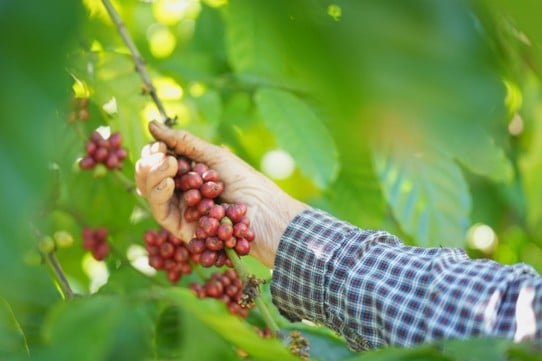
A coffee tour is one of the most rewarding cultural experiences in Costa Rica. Beyond tasting delicious coffee, visitors gain a deeper understanding of the dedication, craftsmanship, and sustainability behind every cup.
Coffee plantations can be found throughout several mountainous regions of the country, where ideal growing conditions produce some of the world’s finest Arabica beans. Touring these farms allows visitors to experience the complete journey from coffee cherry to freshly brewed cup.
Costa Rica’s reputation for premium coffee is built on several natural advantages.
Rich volcanic soils provide coffee plants with essential nutrients, helping produce beans with balanced acidity and complex flavors.
Most coffee farms are located between 1,000 and 1,800 meters (3,300 to 5,900 feet) above sea level. The cooler mountain climate slows the ripening process, allowing coffee cherries to develop richer flavors and greater sweetness.
Costa Rica’s combination of tropical sunshine, seasonal rainfall, and cool mountain temperatures creates nearly perfect conditions for growing coffee.
Costa Rica is committed to producing only Arabica coffee, a variety known for its smooth body, pleasant aroma, and exceptional quality. This commitment has helped establish the country’s reputation in specialty coffee markets worldwide.
Most coffee plantation tours include a guided walk through the fields, where visitors learn about planting, cultivation, harvesting, and sustainable farming practices.
Guests also observe the different stages of production, including:
Many tours conclude with professional coffee tastings, where visitors learn to recognize notes of chocolate, citrus, caramel, honey, nuts, and tropical fruit.
Several regions produce distinctive coffees, each with unique characteristics.
Tarrazú is famous for bright acidity, floral aromas, and citrus notes.
Central Valley produces balanced coffees with chocolate and caramel flavors.
Tres Ríos is known for its clean finish and natural sweetness.
West Valley often offers fruity, honey-like flavors with a smooth body.
Each region reflects the influence of its altitude, climate, and volcanic soil.
Many Costa Rican coffee farms are leaders in sustainable agriculture. Farmers use environmentally responsible practices such as shade-grown coffee, water conservation systems, renewable energy, composting, and wildlife protection.
These initiatives help preserve Costa Rica’s incredible biodiversity while ensuring future generations can continue producing high-quality coffee.
Whether you’re a passionate coffee lover or simply curious about one of Costa Rica’s most important traditions, a coffee plantation tour is an unforgettable experience.
From walking through lush coffee fields to tasting beans roasted just moments before brewing, you’ll gain a new appreciation for the craftsmanship behind every cup. Best of all, you’ll leave with a deeper understanding of the people, culture, and sustainable practices that have made Costa Rican coffee famous around the world.

Web Design and Concept by CORAL