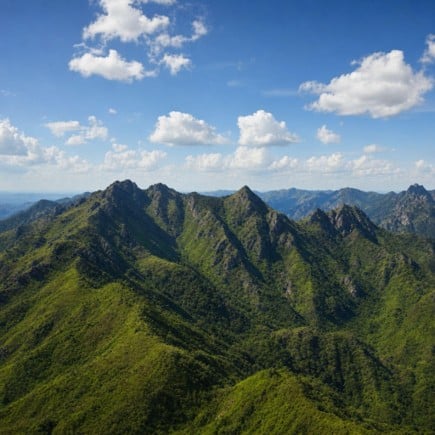
The plains are vast lowland regions primarily located along the Caribbean coast and the Northern Pacific. These areas feature warm, tropical climates, abundant rivers, and exceptional biodiversity.
The Caribbean Plains stretch from the Central Volcanic Mountain Range to the Caribbean Sea. Due to abundant rainfall throughout most of the year, the region is covered with dense tropical rainforests and extensive wetlands.
The area is one of Costa Rica’s most important agricultural regions, producing bananas, pineapples, and cacao. It is also home to iconic destinations such as Tortuguero, famous for sea turtle nesting, and Sarapiquí, internationally recognized for ecotourism, birdwatching, and adventure activities.
The Northern Plains include regions such as San Carlos, Los Chiles, and Upala. These fertile lands are well known for cattle ranching, agriculture, and their proximity to the majestic Arenal Volcano.
Visitors can explore tropical rainforests, natural hot springs, wildlife refuges, and enjoy river safaris along the Frío River. The region is also home to an incredible variety of wildlife, including monkeys, sloths, toucans, crocodiles, and countless bird species.
In Costa Rica’s Northern Pacific region, the Guanacaste Plains are characterized by a drier tropical climate, particularly during the dry season. This region has historically been the country’s center for cattle ranching and today combines agriculture with a thriving tourism industry.
The Guanacaste Plains are surrounded by national parks, volcanoes, and some of Costa Rica’s most beautiful beaches, making them an ideal starting point for exploring the province’s natural attractions.
Costa Rica’s plains and valleys play a vital role in protecting the country’s natural resources. Their rivers supply water to communities and agricultural activities, while their forests serve as biological corridors for hundreds of species of mammals, birds, reptiles, amphibians, and insects.
Many of these ecosystems are protected under Costa Rica’s National System of Conservation Areas (SINAC), helping preserve the biodiversity that has made the country a global leader in sustainable tourism.
Exploring Costa Rica’s plains and valleys offers visitors a wide range of unforgettable experiences, including:
Costa Rica’s plains and valleys reveal another side of the country, where fertile lands, abundant freshwater resources, and extraordinary biodiversity create the perfect setting for tourism, agriculture, and environmental conservation. From the vibrant Central Valley to the lush Caribbean and Northern Plains, each region offers authentic experiences that demonstrate why Costa Rica is considered one of the world’s premier nature destinations.

Web Design and Concept by CORAL