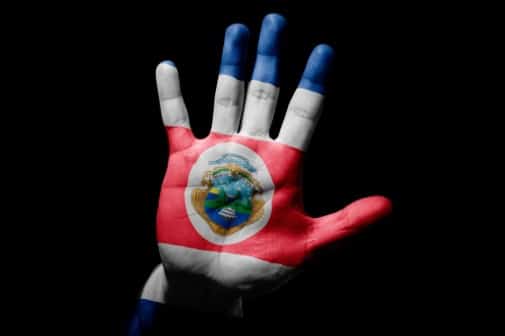
Costa Rica is known worldwide for its breathtaking landscapes and extraordinary biodiversity, but one of its greatest treasures is its people. Costa Ricans, affectionately known as “Ticos” (and “Ticas” for women), are famous for their warm hospitality, relaxed lifestyle, and strong sense of community. Understanding Costa Rican customs and traditions will help visitors connect with the local culture and enjoy a more authentic travel experience.
If you visit Costa Rica, one phrase you will hear countless times is “Pura Vida.” Although it literally translates to “Pure Life,” its meaning goes far beyond those two words. It is a greeting, a farewell, a way of saying “thank you,” “you’re welcome,” or simply expressing that everything is going well.
More importantly, Pura Vida represents a philosophy of life. It encourages people to appreciate simple pleasures, remain optimistic, and enjoy every moment. This positive attitude is deeply rooted in Costa Rican culture and is one of the reasons visitors often describe the country as peaceful and welcoming.
Hospitality is one of Costa Rica’s defining characteristics. Ticos are generally polite, approachable, and willing to help visitors. Whether you’re asking for directions, shopping at a local market, or dining at a family-owned restaurant, you’ll likely be greeted with a smile.
Small conversations are common, and people appreciate kindness and respect. Visitors who make an effort to learn a few Spanish phrases are often warmly received and may find it easier to connect with locals.
Family plays a central role in Costa Rican society. Many families gather regularly for meals, celebrations, and weekend activities. It is common for several generations to maintain close relationships and support one another.
Family traditions are especially important during holidays, birthdays, Christmas, Easter, and other special occasions. These gatherings often include homemade meals, music, storytelling, and plenty of laughter.
Costa Rica is recognized as one of the world’s leading eco-tourism destinations, and respect for the environment is an important part of daily life. More than 25% of the country’s land is protected through national parks, wildlife refuges, and biological reserves.
Many Costa Ricans actively participate in recycling programs, conservation efforts, and sustainable tourism initiatives. Visitors are encouraged to follow environmentally friendly practices by reducing waste, respecting wildlife, and leaving natural areas exactly as they found them.
Coffee is much more than a beverage in Costa Rica—it’s an important cultural tradition. The country’s rich volcanic soil and ideal climate produce some of the world’s finest coffee.
Many Costa Ricans begin their day with a freshly brewed cup of coffee, often prepared using the traditional chorreador, a simple wooden stand that holds a cloth filter. Offering coffee to guests is considered a gesture of hospitality and friendship.
Visitors can experience this tradition by touring coffee plantations, learning about the production process, and sampling freshly roasted beans.

Web Design and Concept by CORAL