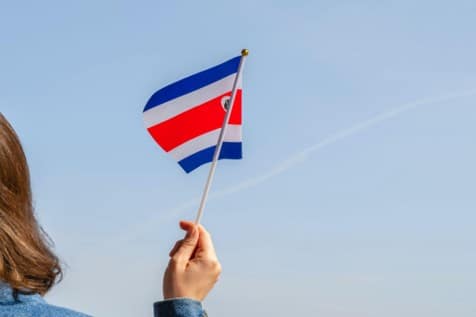
One of the best ways to make your trip to Costa Rica more meaningful is by learning about the country’s local customs. While Costa Rica is famous for its volcanoes, rainforests, beaches, and wildlife, it is the friendliness and hospitality of its people that often leave the greatest impression on visitors.
Costa Ricans, commonly known as Ticos and Ticas, take pride in their welcoming nature, respect for others, and relaxed way of life. By understanding a few local traditions and cultural norms, you’ll not only show respect for the country but also enjoy more authentic interactions with the people you meet along the way.
No phrase is more closely associated with Costa Rica than “Pura Vida.” Literally meaning “Pure Life,” it has become the country’s unofficial motto and reflects the optimistic attitude of its people.
You’ll hear it used throughout the day in many different situations. It can mean:
More than just an expression, Pura Vida represents a positive outlook on life. It encourages people to appreciate simple moments, stay optimistic, and enjoy life without unnecessary stress.
Costa Ricans are generally polite and friendly, and greetings are considered an important part of everyday life. It’s customary to greet people when entering a shop, restaurant, hotel, or even an elevator.
Common greetings include:
A handshake is common during first meetings, while friends and relatives often greet each other with a light kiss on the cheek or a warm hug.
Politeness is highly valued in Costa Rican culture. People frequently use words such as por favor (please), gracias (thank you), and con mucho gusto (my pleasure).
Speaking respectfully and maintaining a calm tone is appreciated, even during disagreements. Costa Ricans generally avoid confrontation and prefer friendly, respectful conversations.
Family plays an essential role in everyday life. Many Costa Ricans spend weekends visiting relatives, sharing meals, and celebrating birthdays or holidays together.
It’s common for several generations to maintain close relationships, and family gatherings are an important part of the country’s social life. Visitors may notice that businesses occasionally close early for family events or local celebrations.
Sharing meals is an important social activity in Costa Rica. Whether eating at a local soda (a traditional family-owned restaurant) or dining in someone’s home, meals are relaxed and enjoyed together.
Some common customs include:
Traditional meals such as Gallo Pinto, Casado, fresh seafood, tropical fruits, and homemade juices are staples of the local diet.
Costa Rica is internationally recognized for its commitment to environmental conservation. Respecting nature is part of everyday life for many Costa Ricans.
Visitors are encouraged to:
Supporting sustainable tourism helps preserve Costa Rica’s incredible biodiversity for future generations.
Costa Rica is famous for its laid-back atmosphere. While business meetings and organized tours generally operate on schedule, social gatherings often have a more relaxed approach to time.
Visitors should remain patient if services occasionally take a little longer than expected. Rather than seeing this as inefficient, many travelers come to appreciate the slower pace that allows people to focus on relationships, family, and enjoying life.
Coffee is deeply rooted in Costa Rican culture. Offering a guest a cup of freshly brewed coffee is considered a warm gesture of hospitality.
Many Costa Ricans enjoy coffee several times a day, often accompanied by bread, pastries, or traditional snacks. Visiting a local coffee plantation is an excellent way to learn about one of the country’s most important agricultural traditions.
Many travelers choose to support local businesses during their visit. Purchasing handmade crafts, dining at family-owned restaurants, hiring local guides, and staying at locally operated hotels all contribute directly to Costa Rica’s economy and help preserve local traditions.
Costa Ricans genuinely appreciate visitors who respect their culture and contribute positively to their communities.
To make the most of your visit, keep these customs in mind:
Understanding local customs allows visitors to experience Costa Rica beyond its famous attractions. The country’s culture is built on kindness, respect, family values, environmental responsibility, and an appreciation for life’s simple pleasures.
By embracing these traditions, travelers don’t just visit Costa Rica—they become part of the welcoming spirit that has made the country one of the world’s most beloved travel destinations.

Web Design and Concept by CORAL