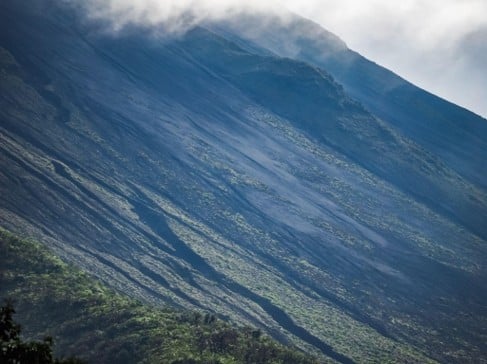
Costa Rica is one of the most geologically dynamic countries in the world, where the Earth’s powerful forces continue to shape the landscape every day. Located in the heart of Central America, the country lies at the intersection of several tectonic plates, making it a region of frequent seismic activity, active volcanoes, and ongoing mountain formation. These geological processes have created the spectacular landscapes that attract millions of visitors each year while also playing a crucial role in the country’s biodiversity, natural resources, and sustainable development.
From towering volcanoes and rugged mountain ranges to fertile valleys and dramatic coastlines, nearly every natural feature in Costa Rica is the result of millions of years of tectonic activity. Understanding how these forces work offers travelers, students, and nature enthusiasts a deeper appreciation for one of the most fascinating geological environments on Earth.
Costa Rica’s unique geology is primarily influenced by the interaction of four tectonic plates: the Cocos Plate, Caribbean Plate, Nazca Plate, and the Panama Microplate.
The most significant geological process occurs along the Pacific coast, where the dense oceanic Cocos Plate slowly moves beneath the lighter Caribbean Plate in a process known as subduction. This movement occurs at a rate of approximately 8 to 9 centimeters (3 to 3.5 inches) per year—roughly the speed at which human fingernails grow.
Although this movement may seem slow, the immense pressure generated over thousands and millions of years has built Costa Rica’s volcanic mountain ranges, created deep ocean trenches, and continues to produce earthquakes and volcanic activity throughout the country.
The nearby Nazca Plate and Panama Microplate also contribute to the region’s complex tectonic interactions, making Costa Rica one of the most scientifically interesting areas for geologists studying plate tectonics.
Earthquakes are a natural consequence of tectonic plate movement. As the plates slowly shift, stress accumulates along faults beneath the Earth’s surface. When that pressure becomes greater than the rocks can withstand, it is suddenly released as seismic energy, producing an earthquake.
Most earthquakes in Costa Rica are relatively small and go unnoticed by residents and visitors. Occasionally, stronger earthquakes occur, reminding everyone that the country’s landscape is still actively evolving.
These seismic events are not signs that something unusual is happening—they are evidence that Costa Rica remains a geologically active nation where mountain building and volcanic processes continue today.
Scientists carefully study earthquake patterns to better understand how tectonic plates interact and to improve hazard assessments for communities across the country.

Web Design and Concept by CORAL