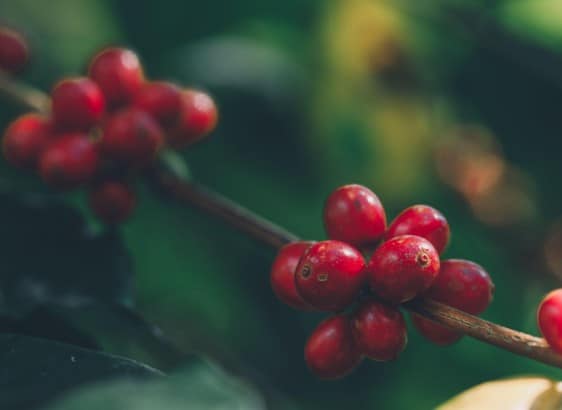
Coffee is deeply woven into the fabric of Costa Rican life. For more than 200 years, it has been one of the country’s most important agricultural products, helping shape its economy, traditions, and national identity. Today, coffee remains a source of pride for Costa Ricans and an unforgettable experience for visitors from around the world.
Whether you’re sipping a freshly brewed cup in a mountain café, enjoying breakfast at a local restaurant, or visiting a family-owned coffee farm, you’ll quickly discover that coffee is much more than a beverage—it’s a way of life.
Coffee arrived in Costa Rica in the late 18th century and quickly became one of the country’s most valuable exports. By the early 1800s, coffee plantations had spread throughout the fertile Central Valley, where volcanic soil, abundant rainfall, and ideal elevations created perfect growing conditions.
The success of the coffee industry helped finance roads, schools, railways, and even the construction of the National Theatre in San José. Because of its economic importance, coffee became known as the country’s “Golden Bean.”
Today, Costa Rica is internationally recognized for producing high-quality Arabica coffee, with an emphasis on sustainability, craftsmanship, and exceptional flavor.
For Costa Ricans, coffee is an essential part of everyday life. Many families begin their mornings by sharing a cup of freshly brewed coffee before work or school. Others enjoy an afternoon coffee break with family, friends, or coworkers, turning a simple drink into an opportunity for conversation and connection.
Offering coffee to guests is a traditional gesture of hospitality. Whether visiting a home, a boutique hotel, or a local business, receiving a cup of coffee is a warm welcome and an invitation to relax.
One of the most iconic symbols of Costa Rican coffee culture is the chorreador, a handcrafted wooden coffee maker that uses a reusable cloth filter.
Rather than relying on electric machines, hot water is slowly poured over freshly ground coffee, allowing it to drip naturally into a waiting cup. This traditional brewing method highlights the coffee’s delicate aromas and flavors while preserving an important part of Costa Rica’s cultural heritage.
Many Costa Rican households continue to use the chorreador, especially during family gatherings and special occasions.
The relaxed pace of Costa Rican life is perfectly reflected in its coffee culture. Enjoying coffee is rarely rushed. Instead, it’s a chance to slow down, appreciate the moment, and spend time with loved ones.
This tradition reflects the country’s famous Pura Vida philosophy—a reminder to enjoy life’s simple pleasures and focus on meaningful experiences rather than constant busyness.
Visitors can embrace Costa Rica’s coffee culture by stopping at independent cafés, sampling locally roasted beans, and purchasing coffee directly from small producers. These experiences not only provide exceptional coffee but also support local farming communities and sustainable agriculture.
Sharing a cup of Costa Rican coffee is one of the simplest and most authentic ways to experience the warmth, hospitality, and traditions that make the country so special.

Web Design and Concept by CORAL