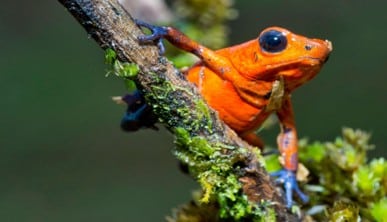
Costa Rica has earned a worldwide reputation as one of the leading destinations for eco-tourism, attracting millions of travelers who seek meaningful experiences while helping protect the environment. This small Central American country has demonstrated that economic growth and environmental conservation can successfully go hand in hand. Through decades of dedication to preserving its natural resources, Costa Rica has become a global model for sustainable tourism and responsible travel.
For visitors looking to explore breathtaking landscapes, encounter extraordinary wildlife, and minimize their environmental impact, Costa Rica offers countless opportunities to experience nature in a way that benefits both local communities and future generations.
Costa Rica’s commitment to conservation is one of the country’s greatest achievements. More than 25% of its national territory is protected through an extensive network of national parks, biological reserves, wildlife refuges, and protected forests. This remarkable investment in conservation has helped preserve one of the richest ecosystems on Earth while creating sustainable tourism opportunities that support local economies.
The country is home to nearly 6% of the world’s biodiversity despite covering less than 0.03% of the planet’s land surface. Its diverse habitats include tropical rainforests, cloud forests, mangrove wetlands, volcanoes, dry forests, mountain ranges, rivers, coral reefs, and two spectacular coastlines along the Pacific Ocean and Caribbean Sea.
This incredible biodiversity makes Costa Rica one of the most rewarding destinations for eco-conscious travelers interested in wildlife observation, hiking, birdwatching, photography, and environmental education.
Eco-tourism goes beyond simply visiting beautiful places. It focuses on responsible travel that conserves the environment, supports local communities, and educates visitors about the importance of protecting natural ecosystems.
In Costa Rica, eco-tourism encourages travelers to:
These practices help ensure that Costa Rica’s forests, rivers, beaches, and wildlife remain protected for future generations while allowing visitors to enjoy authentic and unforgettable experiences.

Web Design and Concept by CORAL