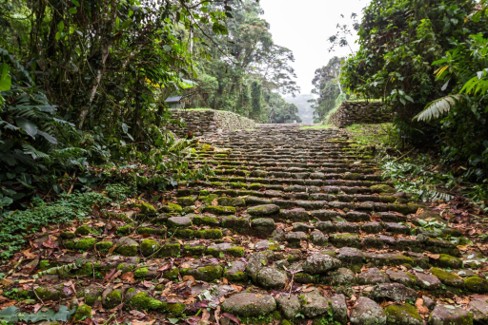
Costa Rica has established Indigenous territories that protect ancestral lands and support the preservation of cultural traditions. Visitors can explore several communities through responsible tourism experiences that promote cultural exchange while respecting local customs.
Some of the best-known Indigenous territories include:
These communities often offer guided cultural tours, traditional meals, craft workshops, and opportunities to learn about medicinal plants and sustainable farming.
Community-based tourism allows visitors to experience Indigenous culture while directly supporting local families and conservation efforts.
Popular activities include:
These activities provide meaningful cultural exchanges while helping preserve Indigenous traditions for future generations.
Many Indigenous communities play a vital role in protecting Costa Rica’s biodiversity. Their ancestral knowledge of forest management, sustainable agriculture, and natural resource conservation has helped preserve some of the country’s most important ecosystems.
Their territories include tropical rainforests, cloud forests, rivers, and wildlife habitats that are essential to Costa Rica’s environmental conservation efforts.
Exploring Costa Rica’s Indigenous culture offers travelers the opportunity to connect with traditions that have endured for thousands of years. Beyond the country’s famous natural attractions, Indigenous communities provide authentic experiences rooted in history, spirituality, craftsmanship, and respect for nature.
Whether participating in a traditional cacao ceremony, learning ancient weaving techniques, or walking through the rainforest with a local Indigenous guide, visitors gain a deeper appreciation of Costa Rica’s cultural richness and the enduring legacy of its first peoples.

Web Design and Concept by CORAL