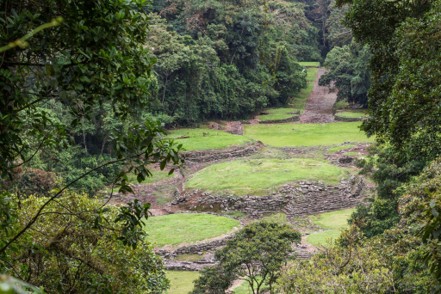
Costa Rica’s spectacular landscapes are the product of millions of years of geological activity, making the country one of the most fascinating natural laboratories in the world. Located in the heart of Central America, Costa Rica sits along the Pacific Ring of Fire, one of the most geologically active regions on Earth. This strategic location has allowed powerful natural forces to shape its mountains, volcanoes, valleys, rivers, coastlines, and tropical ecosystems over countless generations.
The country’s formation began through the complex interaction of several tectonic plates, including the Cocos Plate, Caribbean Plate, Nazca Plate, and Panama Microplate. As the dense oceanic Cocos Plate continues to move beneath the Caribbean Plate in a process known as subduction, immense pressure and heat generate volcanic activity and occasional earthquakes. These geological processes are responsible for building Costa Rica’s mountain ranges and creating the chain of volcanoes that stretches across the country from northwest to southeast.
Costa Rica’s volcanic arc includes more than 200 volcanic formations, although only a handful remain active today. Among the most famous are Arenal Volcano, once one of the world’s most active volcanoes; Poás Volcano, known for its enormous crater and acidic lake; Irazú Volcano, the tallest active volcano in Costa Rica; Rincón de la Vieja, famous for its bubbling mud pots and geothermal activity; and Turrialba Volcano, which has experienced several eruptions in recent decades. These volcanoes continue to shape the country’s landscape while providing scientists with valuable opportunities to study volcanic processes.
Volcanic activity has done far more than create dramatic scenery. Repeated eruptions over thousands of years deposited layers of mineral-rich volcanic ash that formed some of the most fertile soils in Central America. Today, these soils support Costa Rica’s world-renowned agriculture, including coffee plantations, banana farms, pineapple fields, sugarcane, and a wide variety of tropical fruits and vegetables. The country’s agricultural success is closely tied to its geological history.
Beyond volcanoes, Costa Rica’s diverse geology tells the story of ancient oceans and shifting continents. The country’s location between the Pacific Ocean and the Caribbean Sea has produced an extraordinary variety of rock formations and coastal landscapes. Visitors can explore limestone caves, fossil-bearing sedimentary rocks, uplifted coral reefs, marine terraces, and impressive cliffs that reveal how sea levels and tectonic forces have changed over millions of years. In places such as the Nicoya Peninsula, geologists can observe some of the oldest exposed rocks in Costa Rica, offering valuable insights into the region’s ancient past.

Web Design and Concept by CORAL