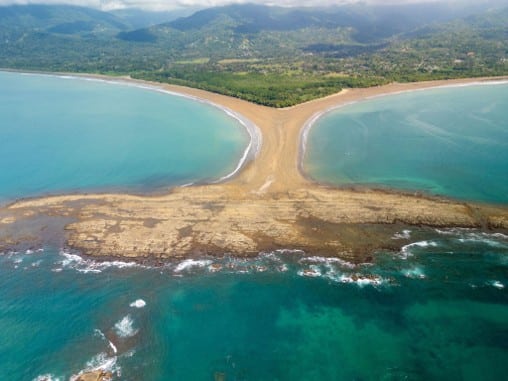
Located on the Southern Pacific coast near Uvita, this protected marine park is Costa Rica’s most famous whale-watching destination. Its iconic Whale Tail sandbar and calm waters create the perfect setting for observing humpback whales, dolphins, and sea turtles.
The annual Whale and Dolphin Festival, held in Uvita, celebrates the arrival of migrating whales with educational activities, local culture, and boat tours.
This tropical gulf offers calm waters and rich marine biodiversity. Whale sightings are common during migration seasons, and visitors may also encounter bottlenose dolphins, spotted dolphins, manta rays, and sea turtles.
Located on the Osa Peninsula, these remote destinations combine world-class rainforest adventures with unforgettable marine wildlife experiences. Whale-watching tours often include snorkeling at Caño Island Biological Reserve, where colorful coral reefs and tropical fish thrive.
On Costa Rica’s northern Pacific coast, humpback whales can sometimes be spotted during migration, particularly between August and October. The area is also well known for dolphin tours and beautiful beaches.
Although humpback whales are the stars of the show, several other whale species occasionally visit Costa Rican waters, including:
In addition, Costa Rica is home to several resident dolphin species that can often be seen year-round.
Costa Rica is internationally recognized for its commitment to conservation and sustainable tourism. Licensed tour operators follow regulations designed to minimize disturbance to marine wildlife.
Responsible whale-watching practices include:
By choosing responsible tours, visitors help protect whales while supporting local communities and marine conservation initiatives.
To maximize your chances of seeing whales:
A whale-watching excursion in Costa Rica often includes encounters with dolphins, sea turtles, flying fish, rays, and countless seabirds. Depending on the location, visitors may also enjoy snorkeling, island visits, mangrove tours, or stunning coastal scenery.
The country’s extraordinary biodiversity means that every trip offers a unique experience, whether you’re exploring the lush coastline of the Osa Peninsula or the pristine waters surrounding Uvita.

Web Design and Concept by CORAL