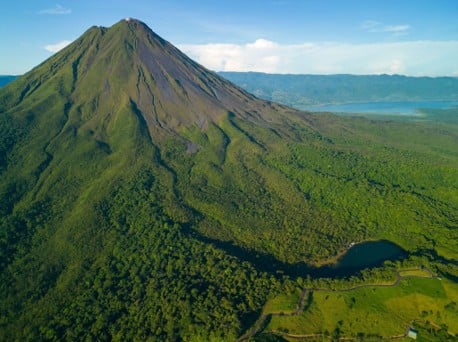
Costa Rica offers an impressive variety of eco-tourism destinations, each showcasing unique ecosystems and extraordinary biodiversity.
Monteverde Cloud Forest Reserve is one of Costa Rica’s most famous eco-tourism destinations. Its cool mountain climate creates a mystical environment where clouds drift through ancient forests filled with orchids, mosses, giant ferns, and towering trees.
Visitors can explore miles of nature trails, walk across suspended bridges high above the forest floor, and observe hundreds of bird species, including the spectacular resplendent quetzal. Monteverde is also home to monkeys, sloths, coatis, butterflies, reptiles, and thousands of plant species found nowhere else.
Often referred to as the “Amazon of Costa Rica,” Tortuguero National Park is accessible primarily by boat or small aircraft. Its extensive network of canals winds through tropical rainforest and wetlands rich in wildlife.
Tortuguero is internationally famous as one of the world’s most important nesting sites for endangered green sea turtles. Depending on the season, visitors can witness female turtles laying eggs on the beach or watch hatchlings make their way toward the ocean.
The park also shelters caimans, crocodiles, monkeys, sloths, river turtles, toucans, kingfishers, and countless tropical bird species.
Located on the remote Osa Peninsula, Corcovado National Park is widely considered one of the most biologically intense places on Earth. The park protects vast areas of untouched rainforest where visitors may encounter tapirs, scarlet macaws, monkeys, anteaters, peccaries, poison dart frogs, and even the elusive jaguar.
Guided hikes allow travelers to experience one of the last remaining primary tropical rainforests in Central America while learning about the importance of conservation and scientific research.
The Arenal region perfectly combines adventure tourism with environmental conservation. Visitors can hike through lava fields, relax in natural hot springs heated by geothermal activity, and explore rainforest trails filled with wildlife.
Many eco-lodges around Arenal have adopted sustainable practices such as renewable energy systems, water recycling, organic gardens, and wildlife protection initiatives.
Costa Rica offers a wide variety of eco-lodges, boutique hotels, and sustainable resorts that prioritize environmental responsibility without sacrificing comfort.
Many accommodations use solar panels, rainwater harvesting systems, biodegradable cleaning products, energy-efficient lighting, and locally sourced building materials. Others actively participate in reforestation projects or maintain private wildlife reserves that guests can explore.
Several hotels also hold the country’s Certification for Sustainable Tourism (CST), recognizing businesses that meet high environmental and social responsibility standards.
Staying at eco-friendly accommodations allows travelers to reduce their environmental footprint while supporting businesses committed to protecting Costa Rica’s natural heritage.
One of the greatest benefits of eco-tourism is its positive impact on rural communities. Across Costa Rica, local families operate small hotels, restaurants, coffee plantations, cacao farms, artisan workshops, and guided cultural experiences that allow visitors to connect with authentic Costa Rican traditions.
Community-based tourism generates employment while preserving local customs, traditional agriculture, Indigenous knowledge, and cultural heritage. Instead of relying solely on large tourism developments, many communities have built successful businesses that prioritize sustainability and environmental stewardship.
Visitors can enjoy activities such as:
These experiences create meaningful cultural exchanges while helping distribute tourism income throughout the country.
Costa Rica offers some of the world’s best opportunities to observe wildlife in its natural habitat. However, responsible tourism is essential to protect these incredible ecosystems.
Travelers are encouraged to maintain a safe distance from animals, avoid feeding wildlife, remain on designated trails, and never remove plants or natural objects from protected areas.
Certified naturalist guides help visitors understand animal behavior while ensuring minimal disturbance to wildlife. Their knowledge significantly enhances the experience by identifying species that many travelers might otherwise overlook.
Responsible wildlife tourism contributes directly to conservation efforts by funding national parks, biological research, and habitat protection.

Web Design and Concept by CORAL